
A good aircond can still perform badly if the installation is wrong. Common mistakes include choosing the wrong capacity, placing the indoor unit poorly, restricting outdoor-unit airflow, creating bad drainage, taking shortcuts with refrigerant piping, and using unsuitable electrical connections. These problems can lead to weak cooling, water leaks, unnecessary noise, higher running costs and avoidable repair work.
If you are planning a new unit, the safest approach is to treat the aircond and the installation as one decision. Correct sizing, placement, piping, drainage, electrical supply and final testing all matter.
| Quick answer The biggest installation mistake is focusing only on the aircond brand or purchase price. The unit must also be sized correctly for the room and installed according to the manufacturer’s requirements. |
|---|
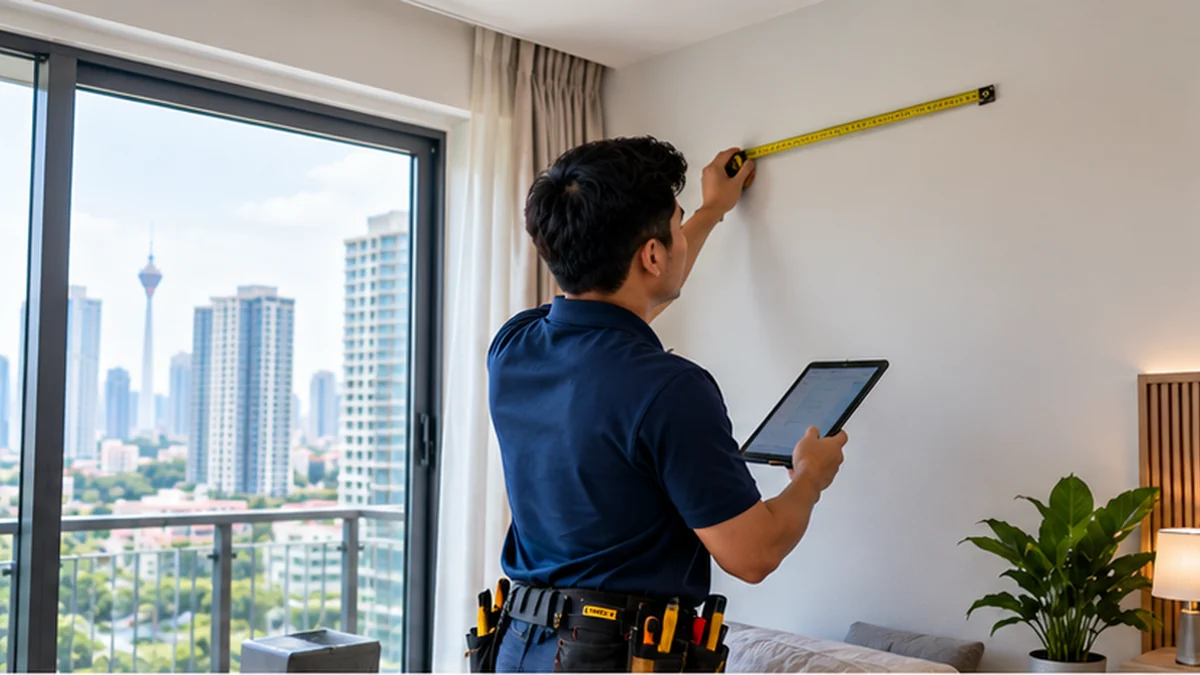
Figure 1. Technician measuring and assessing an aircond installation location in a Kuala Lumpur home
1. Choosing the Wrong Aircond Capacity
Bigger is not automatically better. An undersized unit may run for long periods without cooling the room properly, while an oversized unit can also be a poor match for the space. Room area is only the starting point. Sun exposure, ceiling height, large windows, occupancy and open connections to other rooms can change the cooling load.
Malaysia’s Energy Commission advises matching air-conditioner capacity to room size and avoiding installation where direct sunlight affects the unit. Before buying, compare the room conditions as well as the horsepower rating.
Related guide: How to Choose the Best Aircond for Your Home in Malaysia
2. Placing the Indoor Unit in the Wrong Position
The easiest wall to drill is not always the best place for the indoor unit. Poor placement can create uneven cooling, blow cold air directly onto people, make drainage more difficult or leave too little room for future servicing.
Before drilling, the installer should consider airflow across the room, the piping route, the drainage path, access for filter cleaning and the position of the outdoor condenser. In apartments and condominiums, building rules can also limit where piping and outdoor equipment can go.
3. Restricting Outdoor-Unit Airflow
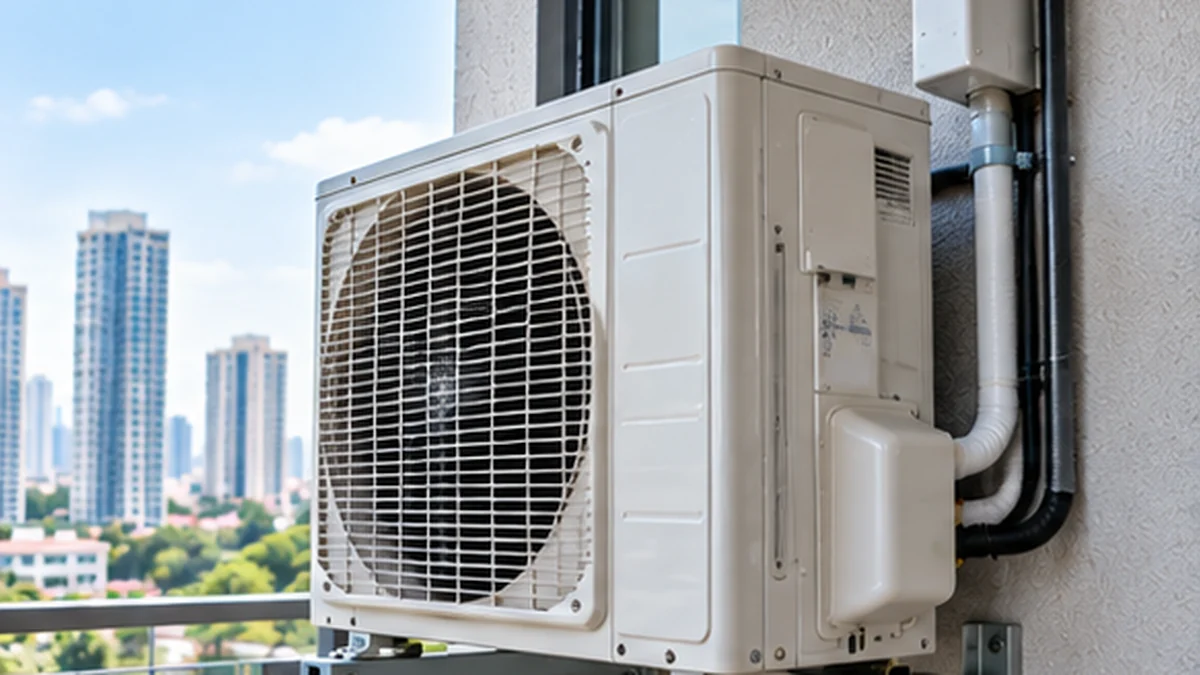
The outdoor condenser needs space to reject heat. Placing it in a cramped enclosure, blocking the fan discharge or positioning it where hot air continually recirculates can reduce performance and make servicing harder.
Manufacturer clearance requirements vary by model, so the exact installation space should come from the unit’s installation manual rather than a generic rule. The outdoor unit should also be securely supported and remain accessible for future maintenance.
Figure 2. Outdoor aircond condenser installed with open airflow and secure wall brackets
4. Getting the Drainage Route Wrong
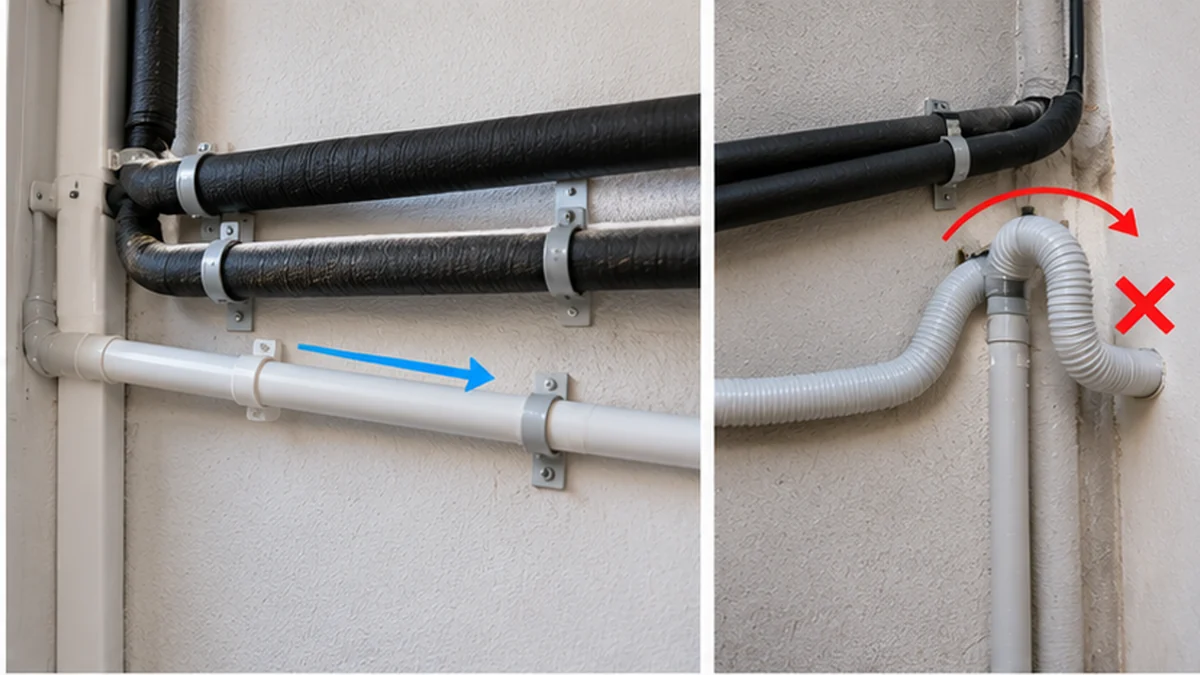
A split aircond produces condensate during normal cooling. If the drain line has poor fall, unnecessary loops, trapped sections or an unsuitable discharge point, water can back up and leak from the indoor unit.
Manufacturer installation manuals commonly require drainage to flow continuously downward and to be checked after installation. The exact arrangement depends on the unit and property, but the principle is simple: water should be able to leave the system freely without pooling in the drain line.
Figure 3. Comparison of a properly routed aircond drain line and a poor drainage layout
5. Taking Shortcuts With Refrigerant Piping
Refrigerant piping is not just decorative copper between the indoor and outdoor units. Poor flares, damaged pipe, contamination, sharp kinks or incorrect routing can create reliability and cooling problems.
A professional installation should follow the manufacturer’s piping limits and commissioning procedure. For example, current Daikin split-system installation guidance includes refrigerant leak testing and vacuum drying before the system is commissioned. Those checks help confirm that the refrigerant circuit is properly sealed and prepared.
6. Using Electrical Shortcuts
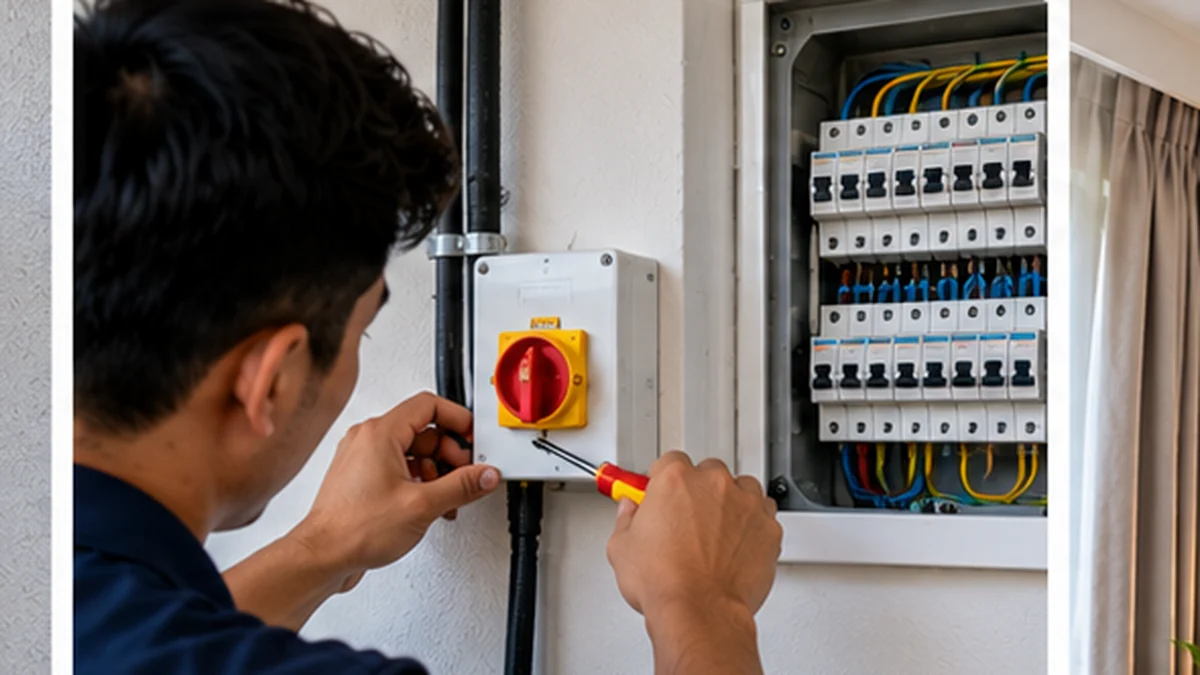
An aircond should not be treated like a small plug-in appliance. The electrical supply, protection and isolation need to suit the equipment and the property’s wiring system.
Malaysia’s Energy Commission residential wiring guidance shows air-conditioner circuits with dedicated protection and a double-pole switch, and electrical installation work is subject to competency and contractor requirements. If new wiring or circuit changes are needed, they should be assessed by an appropriately qualified electrical professional.
Figure 4. Technician checking the electrical supply and isolation for an aircond installation
7. Skipping Final Testing
Finishing the drilling and mounting does not mean the job is finished. A proper handover should include functional checks before the technician leaves.
Depending on the system, this can include checking cooling operation, drain flow, unusual vibration or noise, refrigerant connections, controls and the condition of the installation area. Any concern is easier to resolve while the installer is still on site.
8. Not Confirming the Installation Scope Before Work Starts
Many installation disputes are not caused by the aircond itself. They happen because the customer and installer had different expectations about what was included.
Before the appointment, confirm whether the quotation covers the expected piping length, drainage, brackets, electrical work, old-unit dismantling, high-rise access and any non-standard work. This is especially important for condos, difficult outdoor-unit locations and replacement installations.
What Should a Proper Aircond Installation Include?
- Confirming the room requirements and suitable aircond capacity
- Choosing practical indoor and outdoor unit positions
- Planning the refrigerant piping and drainage route
- Providing adequate outdoor-unit airflow and service access
- Checking the electrical supply and isolation requirements
- Completing manufacturer-required piping, leak and commissioning checks
- Testing operation and drainage before handover
- Explaining any additional work or charges before proceeding
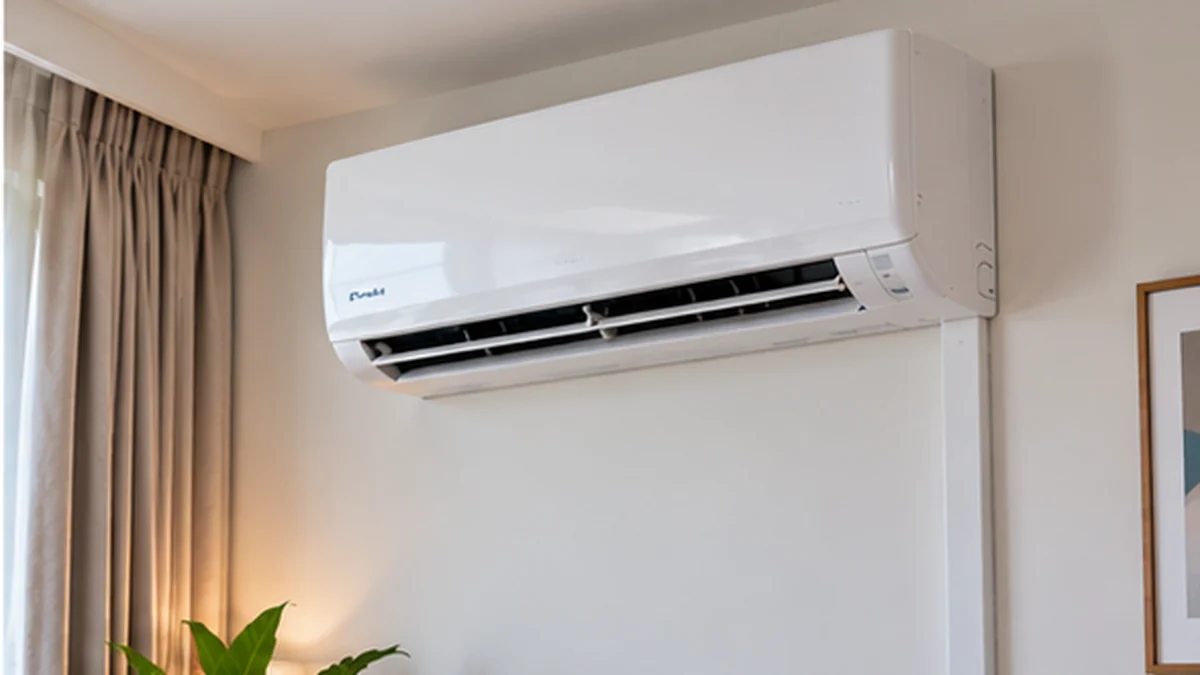
Figure 5. Completed wall-mounted split aircond installation with a clean finish
How to Avoid These Mistakes Before Installation Day
Send the installer the important details before the appointment: your location, aircond model and HP, room photos, intended indoor-unit wall, outdoor-unit position and information about any existing system.
For condo or high-rise properties, also confirm building-management access requirements before scheduling. A few clear photos and accurate details can identify problems before the technician arrives.
| Planning an installation in KL or Selangor? Send Aircond Service Harini your location, aircond model/HP and photos of the proposed indoor and outdoor locations. The installation requirements can be reviewed before the job is scheduled. |
|---|
Frequently Asked Questions
What are the most common aircond installation mistakes?
Common mistakes include incorrect sizing, poor indoor-unit placement, blocked outdoor-unit airflow, bad drainage, refrigerant-piping shortcuts, unsuitable electrical connections and skipping final testing.
Can poor aircond installation increase electricity use?
It can contribute to inefficient operation. Incorrect capacity, poor airflow or a poorly positioned system may cause the aircond to run longer or work harder to maintain the desired temperature.
Can bad drainage cause an aircond to leak water?
Yes. If condensate cannot flow away properly, water can back up or escape around the indoor unit. The drainage route should be planned and tested during installation.
Does a split aircond need leak testing and vacuuming?
Manufacturer installation procedures commonly require the refrigerant circuit to be checked for leaks and evacuated before commissioning. The exact procedure should follow the manual for the specific system.
Where should the outdoor aircond unit be installed?
It needs a secure location with adequate airflow, suitable clearances and access for future servicing. Exact clearances vary by model and should follow the manufacturer’s installation manual.
Can I use an ordinary extension cable for an aircond?
Aircond electrical requirements should be assessed against the equipment and the property wiring. New wiring or circuit modifications should not be improvised with extension cables.
Should I choose the aircond before speaking to an installer?
You can, but discussing the room and installation location first can help identify capacity, piping, drainage, electrical or outdoor-unit placement issues before you buy.
How do I know if the installation quotation is complete?
Ask what is included for piping, drainage, brackets, electrical work, dismantling, difficult access and other non-standard work before the installation begins.
Need Professional Aircond Installation in KL or Selangor?
Before booking, send Aircond Service Harini your location, aircond HP/model and clear photos of the proposed indoor and outdoor positions. This helps identify installation requirements early and reduces surprises on the day of the job.
Main service page: Aircond Installation KL & Selangor
1 thought on “Top Mistakes to Avoid During Aircond Installation in KL & Selangor”
Pingback: Professional Aircond Installation vs DIY: What Homeowners Should Know